
If you want to trade forex with more peace of mind, regulation matters. A best regulated forex broker usually follows clear rules on how it runs the business, handles client money, and communicates risk. This does not remove trading risk (forex is still risky), but it can reduce the chances of dealing with an unreliable firm.
When choosing the best forex broker, both retail traders and institutional clients should prioritize brokers with strong regulatory licenses and a transparent broker’s regulatory status. These factors are crucial for ensuring safety and compliance in the foreign exchange market.
This guide explains what “regulated” really means, how to verify it quickly, and a simple comparison of five brokers regulated options for U.S. traders. The best US forex brokers are those that offer legal forex trading and are properly registered as a retail foreign exchange dealer or futures commission merchant with the CFTC and NFA to serve US forex traders. Trading with unregulated brokers carries significant risk, so always verify a broker’s regulatory licenses before opening an account. Some of the best forex brokers are also publicly traded companies, which adds to their credibility and transparency.
Top brokers stand out by offering low trading costs, tight spreads, and competitive spreads, often providing elite trader programs, dedicated relationship managers, and performance analytics for high volume traders. They also deliver advanced research tools, thorough online broker research, and a complete trading experience for both retail spot forex and CFD traders. When comparing trading costs and spreads, consider how a broker’s offerings measure up to the industry average.
What “regulated broker” means in real life
A regulated broker is normally required to:
- show who owns the company and where it is registered
- follow AML/KYC rules (identity checks)
- follow rules on marketing and disclosures
- follow reporting requirements to a regulator
- keep clear legal documents and client agreements
- be registered as a retail foreign exchange dealer (RFED) or futures commission merchant (FCM) with the CFTC and be a member of the NFA for legal forex trading in the U.S.
A broker’s regulatory status and regulatory licenses are essential for both retail clients and institutional clients, as they ensure the broker is authorized to operate and meets strict compliance standards.
The key point: Regulation is tied to a legal entity (company name + license number), not just the brand name. Always verify the exact entity details before you deposit.
Regulation ensures forex trading is legal and protects retail traders by requiring brokers to comply with established legal and financial standards.
The strictest option: best US regulated forex brokers by Commodity Futures Trading Commission
The United States is known for strict retail forex rules. The best US forex brokers are those registered as retail foreign exchange dealers or futures commission merchants, offering legal forex trading to US forex traders. To legally offer retail forex to U.S. residents, brokers typically must be registered with the CFTC and be members of the NFA, and they face strong requirements (including high capital expectations). Only the following brokers, registered with the CFTC and NFA, can legally offer retail spot forex to retail clients and retail traders in the US. These regulations ensure that forex trading is legal and safe for US forex traders.
US forex regulations also impose strict leverage options, capping leverage at 50:1 for major pairs, and require traders to be aware of trading hours and the trading week, which runs from Sunday evening through Friday.
A simple safety habit: verify any U.S. broker in the free NFA BASIC database.
Quick comparison table
| Broker | Regulation / license shown on official site | Good for | Why it can feel safer | Best quick check |
| FOREX.com | U.S. availability under CFTC/NFA framework (listed among U.S. legal brokers) | U.S. traders wanting strong oversight, intuitive platforms, mobile app, web trading platform, and advanced trading software | U.S. rules are strict and verification is straightforward, competitive spreads, trading costs below industry average, more regulatory licenses | Search the firm in NFA BASIC |
| OANDA | Listed among U.S. legal brokers under CFTC/NFA framework | Beginners who want a well-known name, intuitive platforms, mobile app, web platform, and custom indicators | Long-standing global brand and clear U.S. verification route, tight spreads, publicly traded | Confirm registration in NFA BASIC |
| FirstECN | States it is regulated by MISA (MWALI) and shows license BFX2024050 | Traders wanting a straightforward CFD/forex-style setup, cfd traders, forex and cfd traders, web trading platform | Clear ownership + license number shown on official pages, regulatory licenses | Match the entity name + license number on the regulator register |
| Algobi | States regulation by Financial Services Authority of Seychelles under license SD218 | Traders who like modern platform options, intuitive platforms, mobile app, trading software | Corporate details + license info shown in official materials, competitive spreads | Verify the licensed entity and permissions with the regulator |
| BXB Market | States it is regulated by MISA (MWALI) and shows license BFX2025065 | Traders who want a broad CFD-style offering, cfd traders, web trading platform | Clear license number and company details on official “About” page, regulatory licenses | Confirm the exact license + company name on the regulator register |
Important U.S. note: Algobi and BXB Market publicly state they do not offer services to U.S. residents, and BXB Market also notes U.S. restrictions on its site. So, if your focus keyword is best us regulated forex brokers, the safest fit is choosing brokers operating under CFTC/NFA oversight (like FOREX.com and OANDA) and confirming them on NFA BASIC.
Note: For professional traders, high volume traders, cfd traders, and forex and cfd traders, features such as performance analytics, research tools, award winning trading experience, elite trader program, dedicated relationship manager, and a complete trading experience are important. Brokers offering thinkorswim platform, custom indicators, and free access to advanced features provide additional value. Always consider initial investment requirements and rely on thorough online broker research before choosing a broker.
How to choose the best regulated broker for forex trading
1) Verify regulation the smart way
Don’t rely only on logos or marketing text. Use the regulator’s official search tools:
- U.S.: Use NFA BASIC to confirm membership/registration and see any regulatory actions.
After checking these databases, always verify the broker’s regulatory status and ensure they hold the necessary regulatory licenses. Brokers with more regulatory licenses than competitors are generally considered more credible and trustworthy.
- UK: Use the FCA’s tools (Firm Checker / Register) to confirm authorization and permissions.
- Australia: ASIC explains licensing expectations (AFS licence) and also points consumers to check licensing via ASIC registers.
Conducting thorough online broker research is essential to evaluate a broker’s credibility. A broker whose parent company is publicly traded, like IG for tastyfx, adds further transparency and trust.
2) Confirm the “legal entity” matches your account
Many brands have multiple entities for different regions. Make sure the entity in the terms matches:
- the name on your deposit/withdrawal details
For U.S. brokers offering retail spot forex, the legal entity should be registered as a retail foreign exchange dealer (RFED) or a futures commission merchant (FCM) to comply with CFTC and NFA regulations.
- the license number shown on the site
- the regulator listing
3) Prefer clear policies and easy-to-find documents
Look for pages that clearly show:
- Terms & Conditions, Risk Disclosure, AML/KYC
- fees/spreads/commissions explained in simple language
FirstECN, for example, lists legal documents in a dedicated section.
4) Use small “trust signals” that matter
Safer brokers usually have:
- clear contact details and support channels
- transparent deposit/withdrawal rules
- realistic risk warnings (not “guaranteed profits”)
5) Choose a regulator level that fits your goals
- If you’re in the U.S., pick from the limited set of brokers that can legally serve retail forex under CFTC/NFA oversight. The US forex market is tightly regulated, and only brokers registered with the CFTC and NFA can offer legal forex trading to US forex traders. This ensures forex trading legal status and compliance with all U.S. laws.
- If you’re outside the U.S., choose brokers with clearly stated regulation and verify it directly on the regulator register before funding. Make sure to check whether the broker is authorized to serve retail clients, retail traders, or institutional clients, and whether they offer CFDs, as regulatory requirements and permitted products can differ by client type and jurisdiction.
Trading platforms and tools: what to expect from top brokers
The tools and the quality of the trading platform will greatly depend on the forex broker you select and how it will impact your trading experience. The top forex brokers have a wide range of different platforms to choose depending on the trading style and preferences. The most popular ones are MetaTrader 4 (MT4) or MetaTrader 5 (MT5), which is characterized by the functionality of charting and a plethora of technical tools. Numerous brokers are also offering proprietary platforms including thinkorswim or TradingView which are meant to provide an easily accessible and customizable trading experience.
The best brokers realize that forex traders cannot afford to use simple order execution services only, but they need sophisticated trading solutions to examine the markets and to optimize their strategy. Such features as up-to-date market information, personalized charting, and inbuilt technical analysis are common amongst the top forex brokers. There are also trading signals and automated trading systems and social trading options available on some of the platforms, where traders can follow or imitate the strategies of more experienced traders.
As an example, we can mention Interactive Brokers, which is famous due to its professional trading platform and advanced tools and analytics with which serious forex traders can work. OANDA on the other hand offers a friendly interface that has inbuilt technical analysis tools and is easy to use by beginners as well as by the experienced traders. In the assessment of brokers, look at their trading platforms and trading tools and see whether they match your trading objectives and purposes.
Why demo accounts matter for safe trading
Demo accounts are a crucial facility to any individual who intends to begin forex trading without any risk. They also enable forex traders to train their trading strategies and also familiarize themselves with a trading platform of a broker without putting their money at stake. You can use a demo account to learn and experiment with the same trading tools you use in live accounts and you are also able to see real-time market data.
Demo accounts are usually offered by regulated brokers particularly those under the supervision of the Commodity Futures Trading Commission (CFTC) and the National Futures Association (NFA) as part of their customer education and safety obligation. The trading experience gives traders the ability to test various trading tools, experiment with possible strategies, and experience the order execution and risk management firsthand, without any financial consequences with the help of a demo account.
This practice time is worth so much in gaining confidence and learning how the forex markets operate. Demo trading allows you to make use of all the available options before committing to a live account and reduce the number of errors you make. It is important to keep in mind that even the most knowledgeable forex traders apply their ideas and strategies to demo accounts so as to trim them up in a risk-free environment.
Educational resources: learning with regulated brokers
A key advantage of working with regulated forex brokers is access to high-quality educational resources. The best forex brokers invest in comprehensive educational content to help traders at all levels improve their skills and market knowledge. These resources often include video tutorials, interactive webinars, online courses, and detailed articles covering essential topics such as technical analysis, trading strategies, and risk management.
For example, FOREX.com offers a robust trading academy with step-by-step lessons and quizzes designed to reinforce learning. Brokers like tastyfx provide a wide range of educational materials, including webinars and in-depth articles, to support ongoing trader development. By taking advantage of these educational resources, traders can deepen their understanding of the forex markets, learn how to use advanced trading tools, and develop more effective trading strategies.
When selecting a broker, look for one that prioritizes trader education and offers a variety of learning formats. Access to quality educational materials can make a significant difference in your trading journey, helping you stay informed and confident as you navigate the financial markets.
Risk management essentials for forex traders
Effective risk management is at the heart of successful forex trading. For forex traders, managing risk means taking steps to protect your capital and avoid significant losses. Key risk management techniques include setting stop-loss orders to limit potential losses, controlling position sizes to avoid overexposure, and diversifying your trading portfolio across different currency pairs and asset classes.
It’s also important to understand the impact of leverage. While leverage can amplify profits, it can also increase losses, so it should be used with caution and within your personal risk tolerance. Regulated brokers, especially those registered with the CFTC and NFA, are required to provide clear risk disclosures and ensure that clients are aware of the risks involved in forex trading.
By working with a reputable broker and implementing sound risk management strategies, traders can reduce their exposure to market volatility and achieve more consistent results. Remember, no trading strategy is foolproof, but a disciplined approach to risk can help you manage uncertainty and protect your trading capital over the long term.
Trading psychology: staying safe beyond regulation
While choosing a regulated broker is crucial for safe trading, your mindset and psychological approach are just as important. Forex traders often face emotional challenges such as fear, greed, and overconfidence, which can lead to impulsive decisions and unnecessary risk. Developing a disciplined trading routine and understanding your own risk tolerance are key steps to maintaining a healthy trading psychology.
Successful traders set clear goals, stick to their trading strategy, and avoid letting emotions dictate their actions. It’s also important to recognize when to take breaks, manage stress, and maintain a balanced lifestyle outside of trading. By focusing on self-discipline and emotional control, you can avoid common psychological pitfalls and stay committed to your long-term trading objectives.
Combining a strong trading psychology with the protections offered by regulated brokers gives you the best chance of navigating the forex markets safely and effectively. Remember, trading is as much about managing yourself as it is about managing your trades.
Quick broker notes
FirstECN:
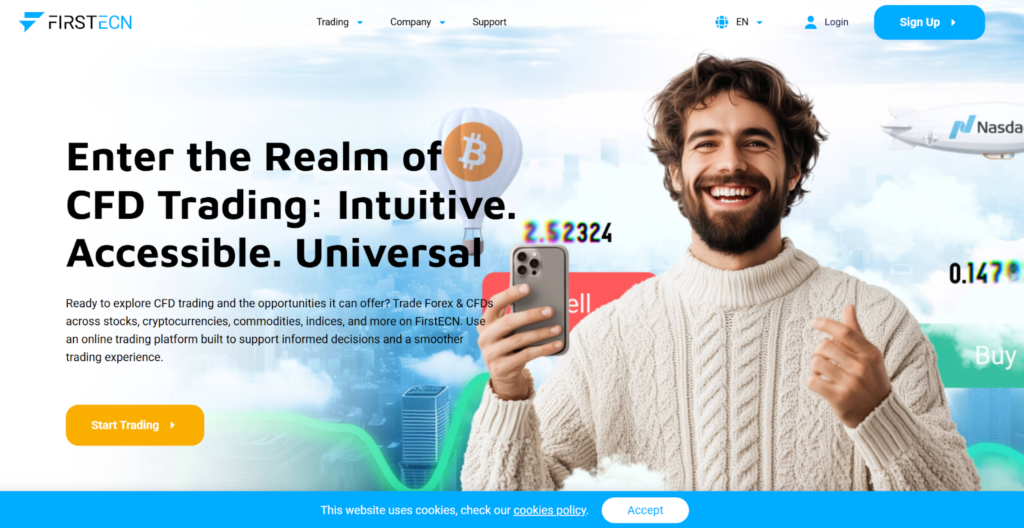
FirstECN’s official website shows the operating company and states regulation by MISA (MWALI) with license BFX2024050. This clarity is helpful because you can match the license and entity details during verification.
Algobi:
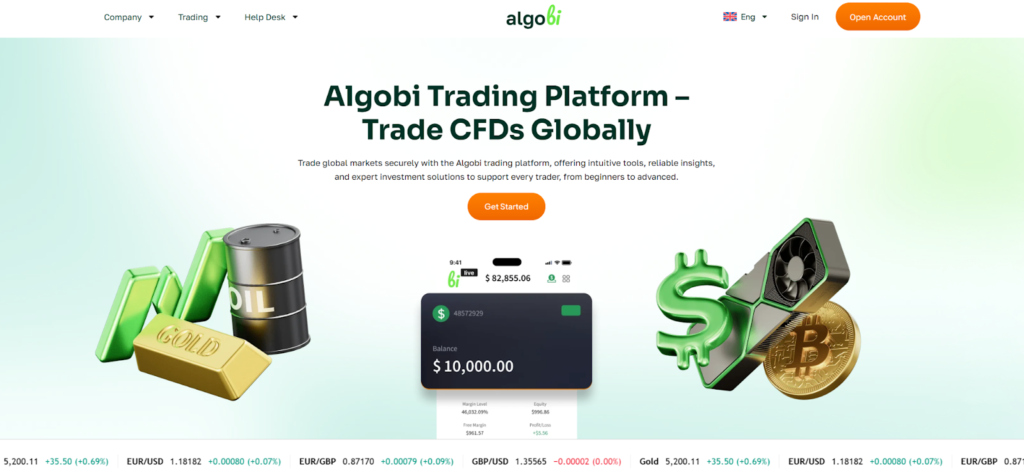
Algobi states it is operated by DXA SEYCHELLES LIMITED and regulated by the Seychelles Financial Services Authority under license SD218. For many traders, the best approach is simply to confirm the license details match the regulator’s records before depositing.
BXB Market:
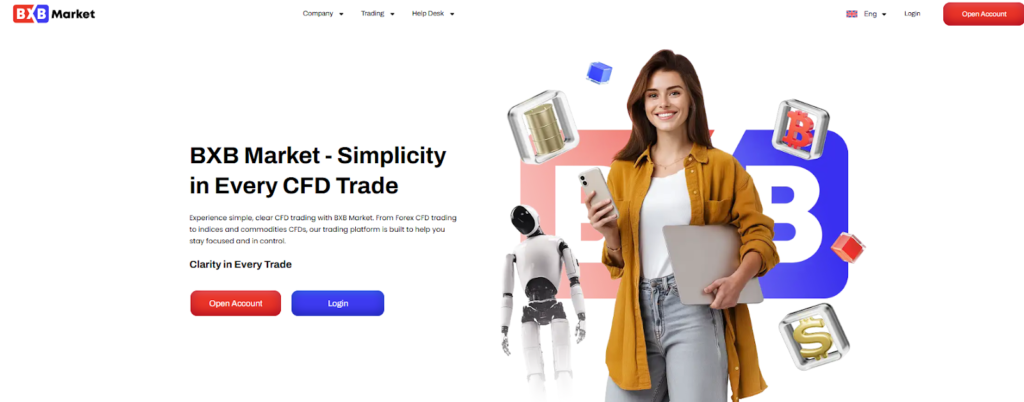
BXB Market states it is operated by Dynamix Ltd and regulated by MISA (MWALI) with license BFX2025065. The site also clearly mentions restricted regions, which is useful for compliance and onboarding clarity.
FOREX.com & OANDA (for U.S. focus) Independent industry research sources regularly list FOREX.com and OANDA among brokers that can legally offer forex trading in the U.S. under CFTC/NFA oversight. Both are publicly traded, hold more regulatory licenses than most competitors, and are recognized for their award winning trading experience and complete trading experience. These brokers provide advanced performance analytics, research tools, and features tailored for high volume traders, cfd traders, forex and cfd traders, and professional traders. They offer tight spreads and competitive spreads, with trading costs often below the industry average.
Their platforms include a mobile app, web trading platform, and web platform, with intuitive platforms, robust trading software, support for custom indicators, and free access to many tools. They also support the thinkorswim platform, offer flexible leverage options, and make trading simple for all trading styles, including beginners with low initial investment requirements. Elite trader programs and dedicated relationship managers are available for high volume clients, and their strong online broker research reputation adds to their credibility. These are among the following brokers legally authorized to operate in the U.S.
FAQs
1) What is the best regulated forex broker?
The best regulated forex broker is one you can verify on an official regulator register, with clear legal details and transparent policies.
2) How do I check if a broker is regulated in the U.S.?
Use the free NFA BASIC database to confirm registration and review background details.
3) Are US regulated forex brokers safer?
They follow strict rules and strong oversight, which can improve trader protection, but trading still has risk.
4) Can a broker be “regulated” but still not right for me?
Yes. Always check fees, platform fit, customer support, and whether the broker can legally accept clients from your country.
5) What is the fastest “safety check” before depositing?
Match the broker’s company name and license number with the regulator’s official register, and read the risk and withdrawal policies.