
When people search for the biggest forex brokers, they usually mean brokers that are widely used, operate in many countries, and handle a large amount of trading activity every day. But “big” can mean different things depending on the metric you choose.
Some brokers are “big” because they have hundreds of thousands (or millions) of clients. Others are “big” because they process a huge number of trades or have strong brand trust built over decades. Many of the biggest forex brokers are regulated by multiple financial authorities worldwide, which enhances their credibility and trustworthiness. Choosing a regulated online broker ensures compliance with industry standards and provides legal protection for traders. Some brokers are big because they offer many markets (forex + indices + commodities + stocks + crypto CFDs) with modern, user friendly trading platforms that are especially important for beginners and contribute to a broker’s popularity, along with global support.
In this guide, you’ll learn:
- What “big” really means in forex brokers
- Why size can be helpful (but not the only thing to consider)
- How the biggest forex brokers are known for offering competitive trading conditions, such as tight spreads, fast execution, and favorable leverage
- 5 well-known broker names to understand the “big broker” landscape
- How the best brokers cater to a wide range of trading needs, offering diverse account types, asset classes, and platform features
Introduction to Forex Trading
Forex trading, also known as the foreign exchange trading, involves selling and buying different currencies with an intention of making a profit out of the exchange rate fluctuations. Being the main and the most liquid financial market across the globe, the forex market has a daily trade volume of more than 7.5 trillion which attracts both professional and retail traders worldwide. Any person seeking to trade in forex will be interested in knowing the fundamentals of the market and how to select the appropriate forex broker.
One of the major initial tasks of the retail traders is to choose a reputable and licensed broker. The most reputable regulatory agencies in charge of the top forex brokers would include the Commodity Futures Trading Commission (CFTC) and the National Futures Association (NFA) in the United States, and the Securities and Exchange Commission (SEC). Such agencies assist in making sure that the forex trading is fair and transparent and that retail traders are not subject to possible fraud and malpractices. In assessing the brokers, one of the things to do is to seek a clear regulatory information and a secure trading environment.
The variety of trading platforms and trading styles is also provided by modern forex brokers to meet the needs of traders with varying experience and trading style. Such popular trading platforms as the MetaTrader 4 (MT4) and the MetaTrader 5 (MT5) tend to be preferred because of their developed trading options, simplicity of use, and the ability to implement a wide range of trading strategies. The most successful forex brokers offer a wide variety of currency pairs such as major pairs, minor pairs and exotic pairs among other financial products such as commodities, indices and stocks. This diversification enables traders diversify their portfolio and exploit the various market opportunities.
The foreign exchange market is highly volatile and therefore trading in the market has its own risks. Prices are highly dynamic and unless traders are able to manage the risk, traders can make huge losses. To alleviate these risks, serious traders must design strong trading strategies, apply advanced trading tools and keep up to the market analysis with the up to date market analysis. A large number of brokers provide demo accounts, which enable new as well as experienced traders to have a feel of trading and developing their strategies in an environment free of risks before investing real money.
Among various factors to be considered when selecting among the largest forex brokers, include competitive spreads, good trading conditions, responsive customer services, and availability of various trading platforms. A reputable forex broker will be able to provide narrower spreads, reduced commission and quicker speed of execution in a secure trading environment that protects retail clients. Seek brokers which offer a variety of trading instruments and investing materials to guide your trading experience, regardless of whether you are trading on a desktop application, a web trading application or app.
What makes a forex broker “big”?
There isn’t one official global ranking that everyone agrees on. Even large broker directories say it depends on the metric, and that exact “biggest broker” data is not always publicly verified for every broker.
Some of the biggest forex brokers also serve institutional clients, such as investment firms and proprietary trading firms, in addition to retail traders.
Still, these are the most common ways traders define big forex brokers:
1) Active client base
A large broker often reports a high number of active clients. This can matter because it usually signals wide adoption, bigger support teams, and more mature systems.
2) Trading volume / trades per day
High volume can be a sign of strong liquidity connections and fast execution infrastructure (especially important for active traders). Some brokers publish “trades per day” style metrics.
3) Global footprint
A broker operating across many countries typically has more localized support, multiple entities, and broader product choices.
4) Financial transparency and reporting
Public companies and banks often publish detailed financial reports, press releases, and key numbers—this makes it easier to cross-check claims.
5) Trading platforms + market range
Many “big” brokers become big because they provide access to multiple asset classes, strong charting, research tools, and stable trading apps. The biggest forex brokers often provide access to various trading platforms, such as MetaTrader 4, MetaTrader 5, and cTrader, to accommodate different trader preferences.
Why traders look for big forex brokers
Choosing a bigger broker can have practical advantages:
- More stable operations (often larger teams and systems)
- Better platform uptime during busy market events
- More trading tools (charts, news, calendars, education)
- More payment methods and account options (varies by region; the biggest forex brokers typically offer a variety of trading accounts to suit different trader profiles)
What a forex broker offers in terms of trading instruments, platforms, and account features can be a deciding factor for many traders.
That said, bigger is not automatically “better.” A smaller broker can still be a great choice if it is transparent, well-run, and fits your trading style.
5 Largest Forex Brokers to Know
Below are five broker names that help illustrate what “big” looks like in the real world. This is not a “one-size-fits-all” ranking—think of it as a simple guide to the kinds of brokers traders often shortlist. These brokers operate in major financial markets worldwide, providing clients with access to a broad range of trading instruments.
IC Markets
IC Markets is a leading Forex and CFD broker known for its low spreads, extensive market offerings, and strong regulatory compliance. The broker provides access to a wide range of financial markets, including forex, indices, commodities, and cryptocurrencies, and is recognized for its advanced trading platforms and partnerships with top-tier liquidity providers.
Interactive Brokers
Interactive Brokers is renowned for its advanced trading tools, transparent pricing, and access to multiple asset classes, including forex, stocks, options, futures, and cryptocurrencies. It is highly regarded among experienced traders for its robust online trading services and regulatory oversight.
Saxo Bank
Saxo Bank is a global broker offering access to forex, CFDs, stocks, and more. It is known for its advanced trading platforms and strong regulatory oversight, providing clients with a secure and reliable trading environment.
International Capital Markets Pty
International Capital Markets Pty is a well-established broker registered under Australian law, operating globally in international financial markets. It is recognized for its regulatory registration and broad market access, offering clients a wide selection of trading instruments.
IG Group
IG Group is a major player in the forex and CFD space, offering access to a wide range of financial markets. IG is registered as a retail foreign exchange dealer in the U.S., ensuring compliance with CFTC and NFA regulations.
FXRoad
FXRoad is a global broker with a Seychelles-registered entity. FXRoad is licensed and overseen by the Seychelles Financial Services Authority, ensuring compliance and legitimacy within the region.
Algobi
Algobi is a multi-asset broker offering forex, CFDs, and stocks trading. Algobi is regulated by the Cyprus Securities and Exchange Commission, highlighting its compliance with Cyprus securities regulations.
Tradgrip
Tradgrip is a broker that allows clients to trade stocks and other asset classes through its platform. It supports stocks trading as part of its multi-asset offering.
The biggest forex brokers are known for their comprehensive online trading services, including advanced platforms, diverse asset classes, and robust regulatory oversight.
1) IG Group
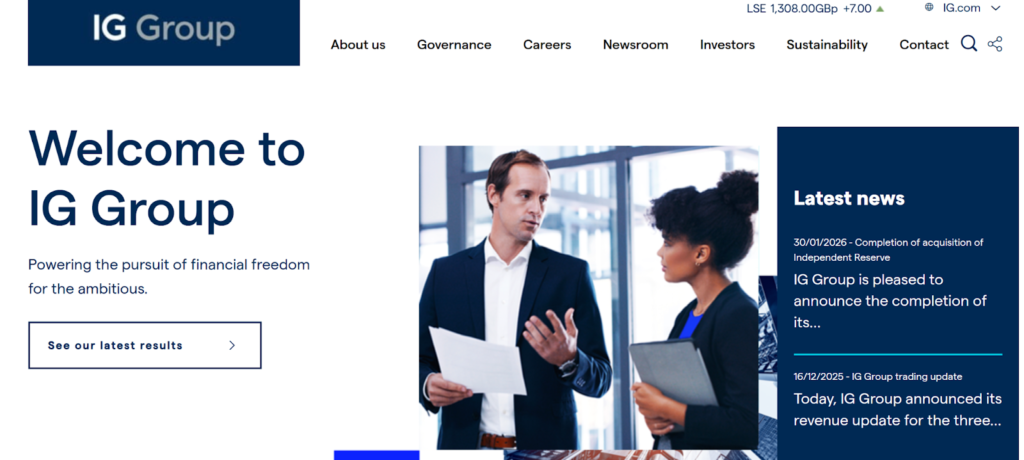
IG is a long-established global trading provider, and it publicly shares key numbers. For example, IG reports 820,000 active clients worldwide (FY25) and operations across 19 countries.
This level of published reporting is one reason many traders view IG as a “big broker” brand—there’s simply more public information available to check.
Why traders like big names like IG: strong global presence, brand history, and clear company reporting.
2) Saxo
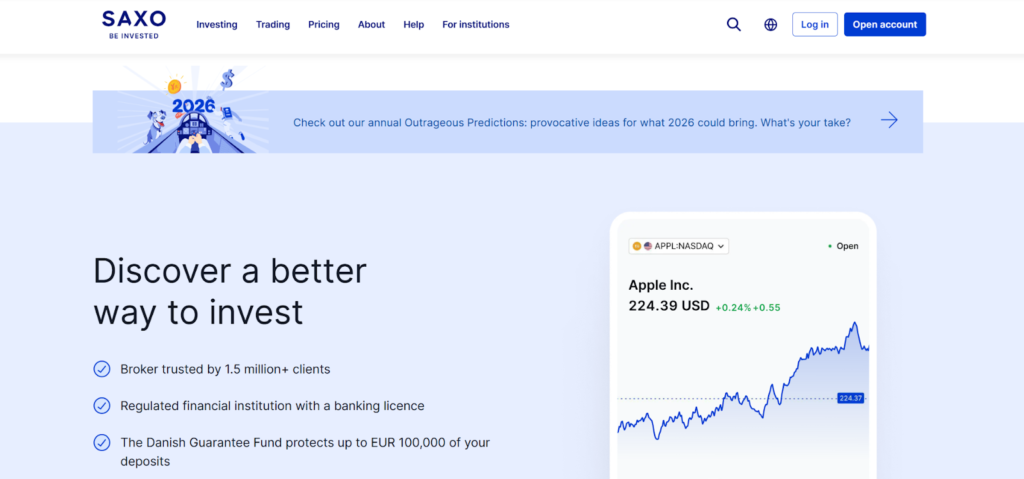
Saxo positions itself as a global online investment bank and states it is trusted by over 1.5 million clients globally and holds EUR 115B+ in client assets.
It also published press updates around reaching 1.5 million clients.
For traders and investors, a bank-linked structure and frequent reporting can be a reassuring “big broker” signal.
Why traders consider Saxo “big”: large client milestone + broad multi-asset access + bank positioning.
3) FXRoad
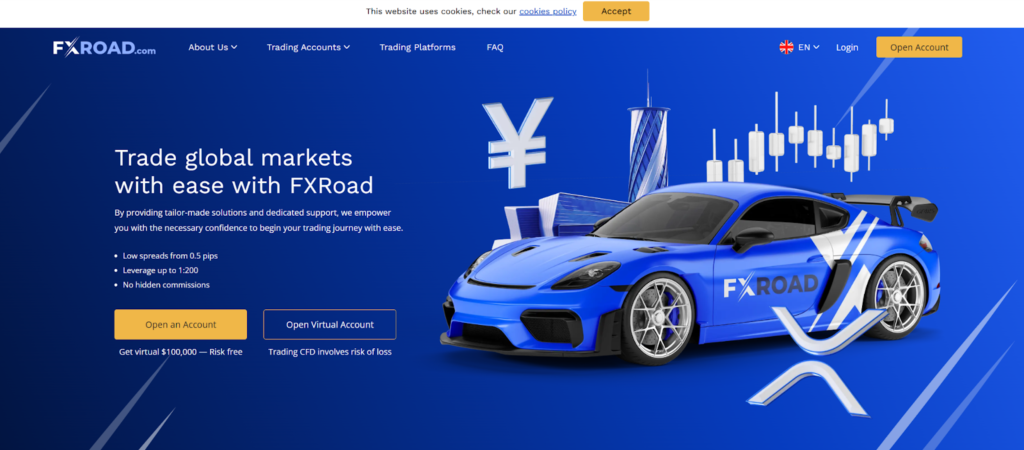
FXRoad presents itself as a CFD broker offering access to global markets with account options, a platform experience, and support.
On its company page, FXRoad also discloses ownership and licensing details, stating the website is operated by a Seychelles-registered entity holding an FSA license (SD052).
Why it can appeal to traders looking for “big broker” experience: broad CFD markets, platform-first approach, and clear on-site company details.
4) Algobi
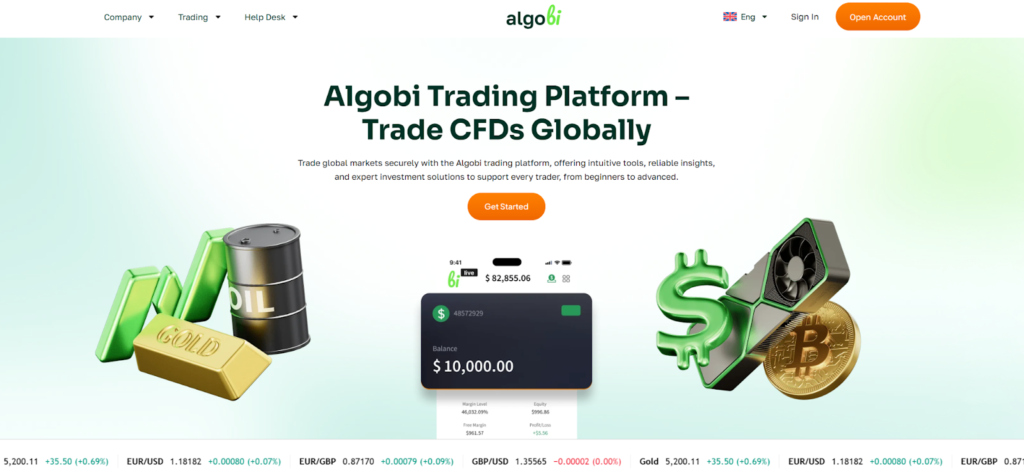
Algobi promotes a CFD trading platform with 320+ instruments, multi-asset markets, and platform tools designed for different experience levels.
Independent broker listing/review sites also describe Algobi’s product range and platform approach (always double-check details on the broker’s official site before opening an account).
Why traders shortlist brokers like Algobi: platform tools, multi-asset variety, and modern charting-style workflows.
5) Tradgrip
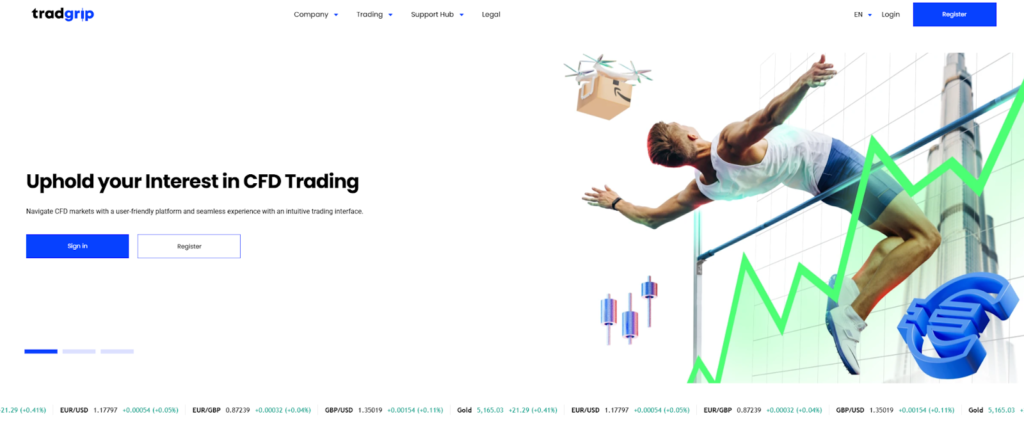
Tradgrip highlights access to 250+ CFD assets across forex and other markets, plus a web/mobile platform setup.
It also explains its “all in one place” approach (multiple markets on one device).
And independent broker review pages mention 250+ assets as a key feature.
Why traders may like Tradgrip: wide market menu, clear platform access, and account tier structure.
How to choose among big forex brokers
Even if you focus on biggest forex brokers, keep your choice practical:
- Regulation & entity details
Check the exact company entity and license shown on the broker site (not just the brand name). Strict regulatory oversight is designed to protect retail traders from fraud and malpractice. Adherence to proper trading practices, as required by regulatory authorities like the CFTC and NFA, ensures fairness and transparency in the forex market. Forex trading is legal in many countries, but only with brokers that are properly licensed and regulated by the relevant authorities. - Trading costs that match your style
If you trade often, spreads/fees matter more. If you trade less, platform + research may matter more. - Platform comfort
Pick a broker whose platform you can actually use daily without confusion—especially on mobile. - Risk tools
Make sure stop-loss, take-profit, and clear margin info are easy to set and understand. - Support quality
When markets move fast, responsive support is a real advantage.
FAQs
1) Who are the biggest forex brokers in the world?
It depends on how you measure “big” (clients, volume, global reach). Many traders recognize large global brands like IG and Saxo, and also explore platform-focused brokers like FXRoad, Algobi, and Tradgrip.
2) Is a big forex broker always safer?
A bigger broker can feel more stable, but safety depends more on regulation, transparency, and how the broker operates in your region.
3) What should I check before opening an account?
Check regulation details, fees/spreads, platform quality, deposit/withdrawal methods, and support options. Always test with a demo first when possible.
4) Do big brokers offer more trading instruments?
Often yes—many large brokers focus on multi-asset access (forex plus other markets). For example, Saxo highlights broad market access, and Tradgrip highlights 250+ CFD assets.
5) Can beginners choose a big broker?
Yes. Beginners often benefit from stable platforms, clear tools, and helpful support. Start slow, learn the basics, and manage risk carefully.