
By opening a trading account, you are placing your money, your personal papers and in your trades in the hands of a company. This is the reason why a forex broker is regulated by the traders, as opposed to an unlicensed company.
The regulated brokers usually get selected by the people who want to have the full trading experience, which comprises of both advanced trading platforms, sound trading execution, and trading tools.
To put it simple, regulated brokers refer to brokers who work within policies established by a financial regulator (a regulator). Such regulations exist to enhance fair play, better risk warning, and client funds management. It is important to select a reputable broker as a guarantee to stability and tranquility. Regulation does not insure profits, but it may provide significant guardrails.
The traders are at great risk of fraud and unlawful action by using unregulated brokers.
What follows is an easy to follow guide on how to realize forex regulated brokers, the license checking process and a realistic list of the options to be considered. This book will assist you in finding the most suitable forex broker.
Introduction to Forex Trading
Forex trading, or foreign exchange trading, is the act of buying and selling currency pairs with the aim of profiting from changes in exchange rates. As the world’s largest and most liquid financial market, the forex market sees over $6 trillion traded daily, attracting both beginner and experienced traders. In the United States, forex trading is closely regulated to protect retail traders and ensure fair practices. The Commodity Futures Trading Commission (CFTC) and the National Futures Association (NFA) oversee the activities of forex brokers, setting standards for transparency and client fund protection.
To participate in forex trading, traders need to open an account with a reputable forex broker. Many of the best US forex brokers are registered with the NFA and comply with strict regulatory requirements. Opening an account is straightforward, often requiring a minimum deposit that can be as low as $50, making it accessible for most traders. Whether you’re interested in trading major currency pairs, exploring futures trading, or simply want to learn more about the forex market, choosing a regulated broker is the first step toward a secure and rewarding trading experience.
What “regulated” really means in forex
A broker may offer forex and CFDs, but regulation decides how they must run the business. In the US, brokers must register as a retail foreign exchange dealer or futures commission merchant with the appropriate authorities, such as the CFTC and NFA. The Financial Industry Regulatory Authority (FINRA) also plays a role in overseeing brokerage firms, and traders can check a broker’s regulatory status using tools like FINRA’s BrokerCheck. Depending on the regulator, rules can include:
- Keeping client funds separate from company money (segregation)
- Clear disclosures about risks, fees, and product terms
- Standards for marketing (no misleading promises)
- Complaint handling and oversight audits, with regulatory actions taken against brokers who fail to comply with standards
For example, the UK regulator (FCA) has client money rules designed so client money is kept separate from the firm’s own money in normal circumstances. And Australia’s ASIC introduced stronger retail CFD protections such as leverage limits and rules targeting risky product features and sales practices.
Before opening an account, always verify a broker’s regulatory status to ensure compliance and trader protection.
Why trading with regulated brokers for forex can feel safer
Choosing regulated trading brokers can help you trade with more peace of mind because regulation encourages:
- More transparency
Regulated firms are pushed to publish legal entity details, risk warnings, and terms in a clear way. Serious traders and advanced traders often prioritize regulated brokers for their transparency and advanced features. - Better money handling expectations
Many regulators require rules around client money handling (often segregation), which reduces “mixing” of funds. Regulated brokers typically offer clearer information about trading costs, including trading fees and exchange commission, which helps traders manage expenses. - Stronger consumer protection in some regions
Some jurisdictions also have formal investor protection frameworks (details depend on where your account is opened), and regulated brokers often provide low fees, which can be especially beneficial for high-volume traders.
The most important rule: always verify the license yourself
A broker can say it is regulated, but the smart move is to verify it directly using the regulator’s official register. Reputable brokerage firms often disclose their parent company and whether they are part of a publicly traded company as part of their regulatory status, which adds credibility and transparency.
A quick verification checklist:
- Find the broker’s legal entity name (not only the brand name)
- Copy the license number (or firm reference number)
- Search it on the regulator’s official site
- Confirm the website domain shown on the register matches the broker site you’re using
- Check if the broker is part of a larger parent company and whether it is a publicly traded company for added credibility
This takes a few minutes and helps you avoid look-alike websites.
Regulated broker choices
Below are brokers that publicly list regulatory or membership details on official pages. Regulation varies by jurisdiction, so treat this as a starting point and verify the exact entity you’ll sign up with. Some brokers, such as FirstECN, are known for their advanced trading platforms and institutional-grade services.
1) FirstECN
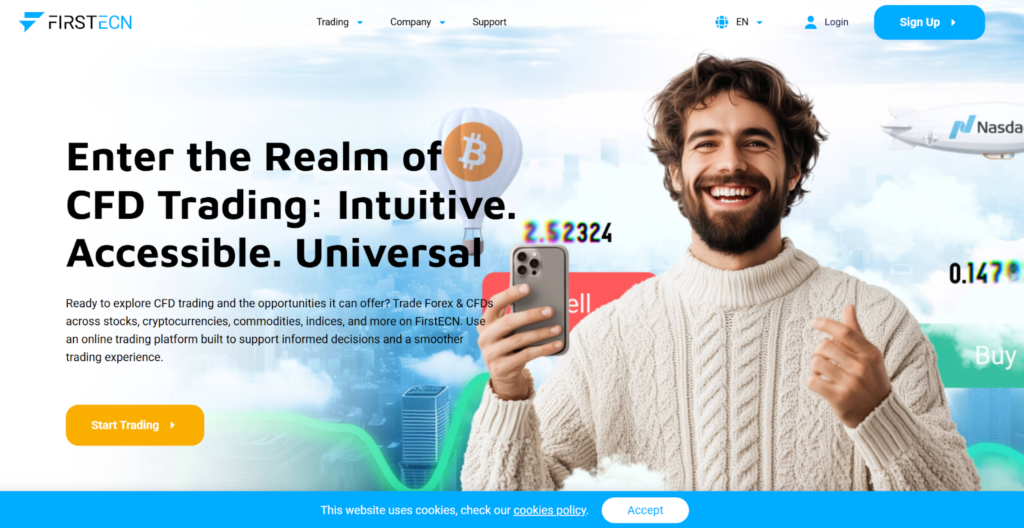
FirstECN states it is operated by Nakito SA and regulated by MISA (MWALI International Services Authority) with Brokerage License: BFX2024050 (registration number HT00324015 is also shown).
FirstECN offers tight spreads and, on certain account types, zero pips spreads for major forex pairs, helping traders reduce trading costs. The platform provides access to a wide variety of forex pairs, including major, minor, and exotic pairs, giving traders diverse opportunities. It also supports custom indicators and a range of trading tools to enhance the trading experience.
If you like straightforward onboarding and want a broker that clearly publishes its legal entity details, this transparency is a practical plus.
2) Algobi
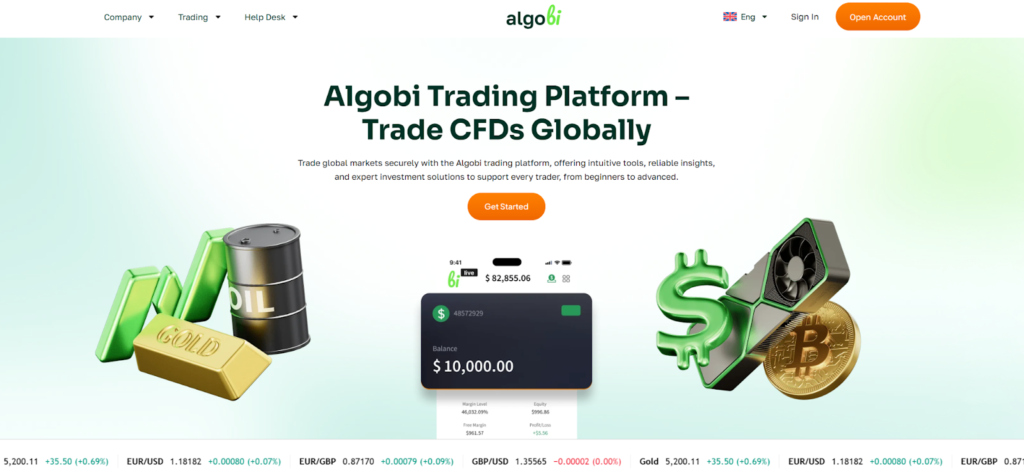
Algobi’s legal page states the brand is operated by DXA SEYCHELLES LIMITED, and it is authorized and regulated by the Financial Services Authority (Seychelles) with License Number: SD218.
In addition to forex trading, Algobi provides access to ETF trading and futures contracts, allowing traders to diversify their portfolios across multiple asset classes.
Algobi’s trading platforms support trading in major pairs such as EUR/USD, USD/JPY, and GBP/USD, and are compatible with expert advisors for automated trading strategies. For traders who value having clear compliance pages and documented terms, this is helpful because it makes verification easier.
3) BXB Market
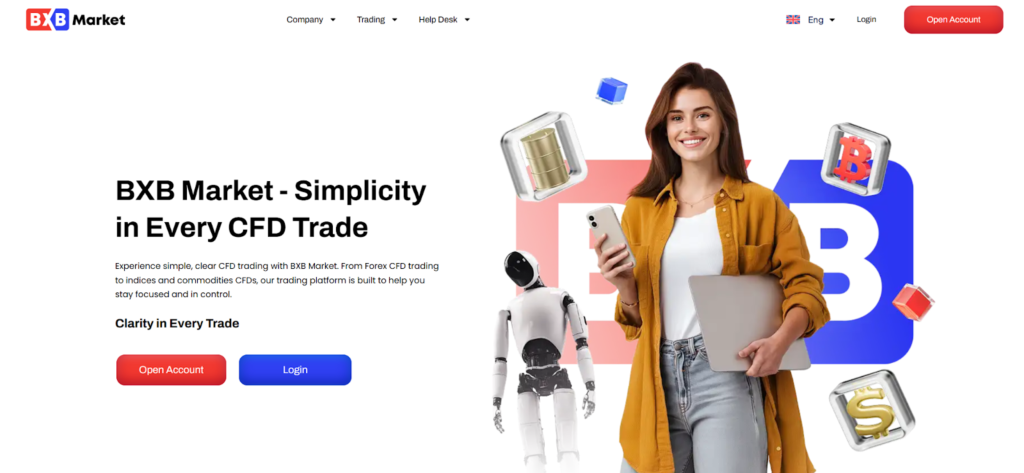
BXB Market states it is owned and operated by Dynamix Ltd, registered in Comoros, and regulated by MISA (MWALI International Services Authority) with Brokerage License: BFX2025065.
BXB Market offers maximum leverage that aligns with industry average standards, ensuring traders have access to competitive trading conditions. Certain trading tools or platforms, such as advanced trading software, may be available with free access for qualifying traders who meet minimum trading requirements.
It’s also good to see company and licensing details placed openly on broker pages, because it supports simple due diligence.
4) IG
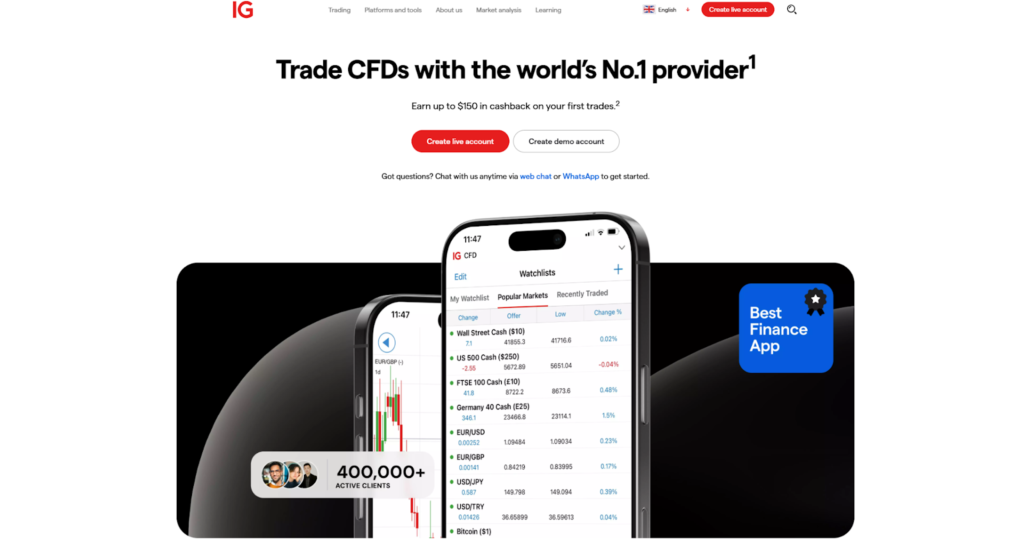
IG Markets Limited appears on the UK FCA register with Reference Number: 195355. Many traders choose brokers like this when they want a well-known brand with a long operating history in strict regulatory environments.
IG provides access to a range of trading platforms, including the thinkorswim platform for advanced technical analysis and custom scripting. The broker also offers access to futures markets, allowing clients to trade regulated futures contracts on various assets. However, CFD trading is restricted for US residents due to regulatory requirements.
5) OANDA
OANDA’s US pages state OANDA Corporation is a member of the NFA. You can also find OANDA’s profile via the NFA BASIC system, which lists registration details and status items.
OANDA serves retail forex traders and provides access to regulated derivatives markets in the US, operating under the oversight of agencies like the CFTC and NFA to ensure compliance and market integrity.
Quick comparison table
| Broker | What it publicly lists | Why it matters |
| FirstECN | MISA regulation + License BFX2024050 | Clear license info helps you verify faster. Trading costs and trading fees are generally competitive, with spreads close to the industry average and low exchange commission rates. |
| Algobi | FSA Seychelles + License SD218 | Clear compliance/legal page for checking. Known for low fees and trading costs below the industry average, making it attractive for cost-conscious traders. |
| BXB Market | MISA regulation + License BFX2025065 | Easy-to-find legal entity + license info. Trading fees and exchange commission are transparent, with spreads typically at or below the industry average. |
| IG | FCA register listing (FRN 195355) | Major-market oversight and public register. Trading costs and trading fees are slightly above the industry average, but strong regulation adds trust. |
| OANDA | NFA membership statements + NFA BASIC profile | Transparent membership/registration lookup. Trading fees and exchange commission are competitive, with trading costs often below the industry average for high-volume traders. |
Account types and services
Forex brokers understand that traders have diverse needs, so they offer a variety of account types to suit different trading styles and experience levels. The most common options include Standard Accounts, RAW Spread Accounts, and Demo Accounts. A Standard Account is ideal for beginner traders, as it typically features no commission charges and slightly wider spreads, making costs predictable and easy to understand. For experienced traders seeking tighter spreads and more competitive pricing, a RAW Spread Account may be preferable—these accounts offer lower spreads but charge a commission per trade, which can benefit those with higher trading volumes.
Demo Accounts are a valuable tool for all traders, allowing you to practice trading strategies and get comfortable with the broker’s platform using virtual funds. This risk-free environment is especially useful for those new to forex trading or testing out new trading strategies. Some brokers, such as OANDA, go a step further by offering programs like the Elite Trader Program, which rewards high-volume traders with rebates and exclusive benefits. Ultimately, the best account type depends on your trading needs, risk tolerance, and level of experience. Brokers offer flexible options so you can find the right fit for your trading journey.
How to choose a regulated forex broker
Step 1: Match regulation to your comfort level
Some traders prefer major-market regulators for stricter rules, while others are comfortable with offshore regulation if the broker is transparent and they control risk carefully. The key is to know what you’re choosing.
Step 2: Check fees and trading conditions in writing
Look for:
- Typical spreads on majors
- Commissions (if RAW/ECN-style)
- Swap/overnight charges
- Deposit/withdrawal fees (and processing times)
Step 3: Test the platform before funding big
Use a demo (if available) and test:
- Order placement speed
- Slippage behavior in news times
- Stops/limits, partial close, mobile experience
Step 4: Start small and build trust over time
Even with a regulated broker, it’s smart to begin with a smaller deposit until you’ve tested withdrawals and support response.
Step 5: Avoid “profit promises”
A secure broker focuses on tools, pricing, and support—not guaranteed returns.
Market analysis and research
Effective forex trading is based on effective market analysis and availability of quality research. Forex traders combine both technical analysis (price charts, patterns and indicators) and fundamental analysis which involves analysis of the economic data, decisions of the central bank as well as global news events that might affect the values of the currency. A range of forex research instruments such as daily market commentary, technical analysis reports and economic calendars are offered by many of the leading forex brokers to ensure traders are kept abreast of market developments.
To cite an example, services such as FOREX.com will provide a full Trading Academy, webinars, and up to date market information to help traders at all levels. Keeping abreast because of the resources offered by brokers and because of outside news on finance and social media, is one of the measures that enable traders to make more accurate choices and keep pace with the market changes. Through these tools, traders will be in a position to gain a better sense of the forex market and will be able to perfect their trading techniques to achieve more success.
Trading strategies and planning
A clear trading strategy is an important tool that every individual who wishes to excel in forex trading needs to have. Trading strategy, offers you a systematic way of buying and selling trades, risk management and how to meet your financial objectives. Some of the trend following, which looks at capitalizing the long-term price movements, range trading, which involves buying and selling within the price ranges, and scalping which involves making several quick trades to gain the slight but persistent price movements.
A trading strategy requires the management of risk to be a important component. Strategies like placing stop-loss orders and sizing positions are some of the techniques that traders can use to minimize losses that could occur and save their capital. You should develop a trading plan with details and specifications of what you want to achieve, risk tolerance, entry and exit criteria.
Reviewing and amending your plan regularly makes it effective because as the market conditions shift so does your plan. Following a clear trading plan will also enable traders to eliminate emotion-driven trading and increase their odds of success in the forex market in the long-term.
Beginner traders and education
Most brokers have a lot of educational materials that could easily guide novice traders as they gain confidence and experience in the forex trading business. These materials may involve video instructions, tutorials, step-by-step tutorials, webinars, and online classes on the subject of the simplest principles of trading and the most sophisticated strategies. The demo accounts are particularly useful to the novices where one gets a secure environment to learn how to trade as well as to test strategies without risking money.
Other brokers such as tastyfx have specific education sections on their websites where there are numerous materials to help you in your learning process. Furthermore, most brokers have a receptive customer services and some even have relationship managers who will help you through the account set up process as well as any other question that you might have. With these learning instruments and support services, novice traders would be able to gain the skills as well as the trading strategies required to sail through the forex market with ease.
FAQs
1) What is a regulated forex broker?
A regulated forex broker is a broker that follows rules set by an official financial authority and publishes legal and license details you can verify.
2) Does forex regulated mean my profit is guaranteed?
No. Regulation helps with safer business standards, but trading results still depend on the market and your decisions.
3) How do I confirm a regulated broker is real?
Find the legal entity + license number on the broker site, then check it on the regulator’s official register.
4) Are regulated brokers for forex good for beginners?
Yes, many beginners feel more confident starting with regulated trading brokers because rules push clearer disclosures and safer processes.
5) Should I still manage risk with a regulated broker?
Always. Regulation is helpful, but smart risk management (small sizing, stop losses, avoiding over-leverage) is still essential.