

Spreads and platforms are not the only important factors that should be taken into consideration when selecting a forex broker. It’s mainly about safety. A regulated broker is a business that is required to abide by guidelines that are advanced by a financial authority. Such regulations tend to include such issues as the general business guidelines, the verification of the clients, and the way the broker conveys risks.
Yet, being regulated does not imply being risk-free. FX and CFD are high-risk products. Regulation will introduce an element of accountability, though, and that is why a list of regulated forex brokers is often the starting point of the search by many traders. You should be well aware of the risks involved as well as the regulations that are available to protect you before beginning to trade.
Here is an easy, practical guide to make you pick a wiser broker as well as a sort of list of the brokers whose regulation statements are clear enough that you can check them.
Introduction to Regulated Forex Brokers
The trust and stability of the forex market would not be possible without regulated forex brokers. The forex trading in the United States is controlled by the Commodity Futures Trading Commission (CFTC) and the National Futures Association (NFA) as the leading bodies. Such bodies have stringent regulations to guard retail traders in order to ensure that forex brokers act being fair and transparent. By trading in forex through a regulated broker, you enjoy the protection of the regulated broker that protects the money of the clients, avoids too much risk, and ensures proper trading procedures.
US forex brokers should be registered by the CFTC and are required to be the members of NFA in order to provide legal forex and futures trade. This market control prevents fraud and market controls to a large extent and traders are more assured when engaging in the foreign exchange market. Officers who select regulated forex brokers are in a position to concentrate on trading strategies without worrying that their interests may be compromised due to their involvement in the same business.
What “Regulated” Really Means
A regulated broker is the one given the right (a license) by a financial authority to trade. Brokers might be required to satisfy the requirements, which include:
- Maintaining good records and controls of compliance.
- Easy risk notices and product regulations.
- Onboarding checks Client onboarding checks (KYC/AML).
- Complaint managing processes.
When starting an account, always ensure that you check the regulatory position of the broker by using official bodies such as CFTC or NFA so that you can ascertain compliance, credibility as well as the security of your money.
The strictness level among different regulators is different. Others are regarded as very strict (also known as top-tier), whereas others are more light-touch (also known as offshore or mid-tier). The correct decision is based on where you are and what types of protection are important to you.
How To Verify a Broker is Regulated
Before you put money into a bank, use this fast technique:
- The broker should have their regulatory number and name of authority on their site.
- Go to the official websites of the regulator and find the name of the broker or his license number to verify his or her status.
- Ensure that the contact information of the broker and address are the same as those on the site of the regulator.
Please note that the regulatory limits, in the form of leverage limits, can be imposed by the jurisdiction of the broker and must be verified during the verification procedure.
1) Check the broker’s website footer (legal section)
A broker usually lists:
- Company name (legal entity)
- Regulator name
- License number
- Registered address
- Broker’s platform details (such as platform features and integrations) are often included in the legal or footer section
2) Match the details on the regulator’s official register
The name and license number should match what you see on the broker website. If it doesn’t match, treat it as a warning sign.
3) Confirm you are signing up under the regulated entity for your country
Some brokers have multiple companies. Your account might fall under a different entity depending on where you live.
Quick Regulated Forex Brokers List
This is not a ranking—just a starter list with clear public regulation details. The list includes some of the top forex brokers with clear regulatory status.
1) FirstECN

FirstECN states it is owned/operated by Nakito SA, registered in Comoros Union, and regulated by MISA (MWALI International Services Authority) with license BFX2024050.
Why traders may like it: clear license info shown publicly and straightforward account details on its site. FirstECN also offers a range of trading tools to support different trading strategies.
2) Algobi
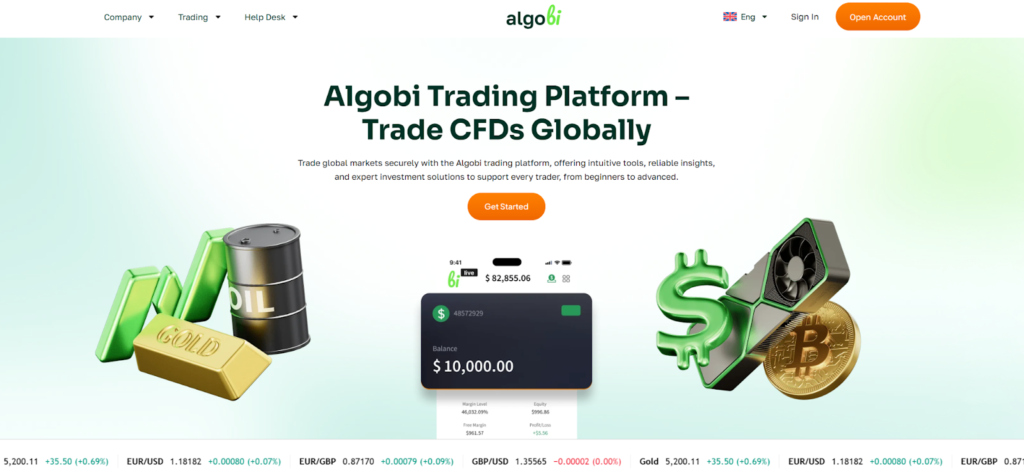
Algobi states it is operated by DXA SEYCHELLES LIMITED and regulated by the Financial Services Authority (FSA) of Seychelles under license SD218.
Why traders may like it: the company and license number are clearly shown in the broker’s legal information. Algobi also supports convenient funding options, including debit card deposits.
3) BXB Market
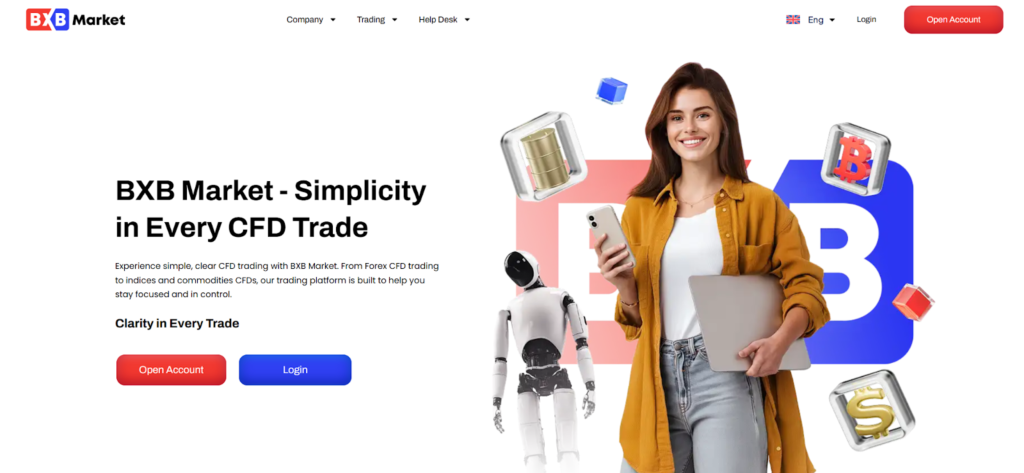
BXB Market states it is operated by Dynamix Ltd, registered in Comoros Union, and regulated by MISA with license BFX2025065.
Why traders may like it: public “About” and legal pages show the license number and company name clearly. BXB Market also offers a wide selection of currency pairs for trading, including majors, minors, and exotics.
4) OANDA
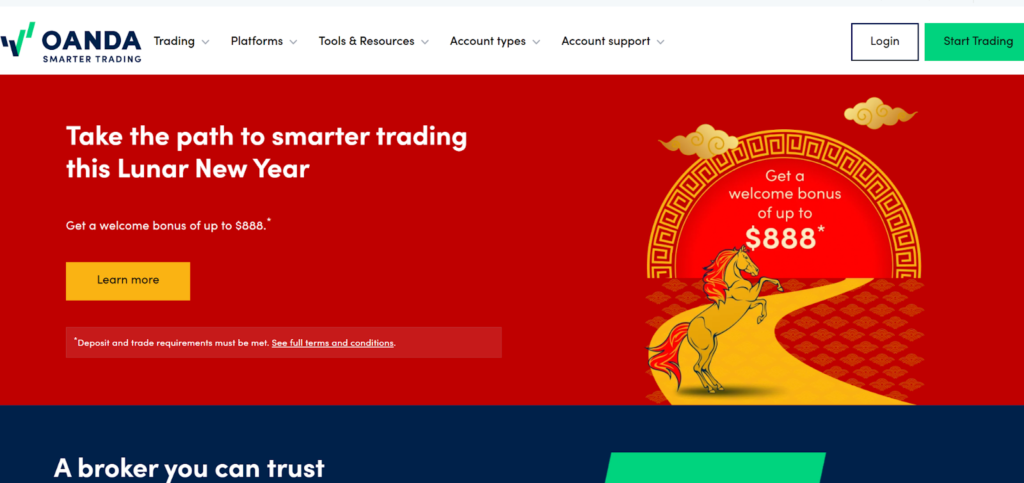
OANDA lists multiple regulated entities across regions, including the US (CFTC/NFA), UK (FCA), Australia (ASIC), and more, depending on the entity you sign up with.
Why traders may like it: long-running brand with clear regulatory disclosures and multiple regulated entities. OANDA also offers an Elite Trader Program, providing rebates and additional benefits for high-volume traders.
5) Pepperstone
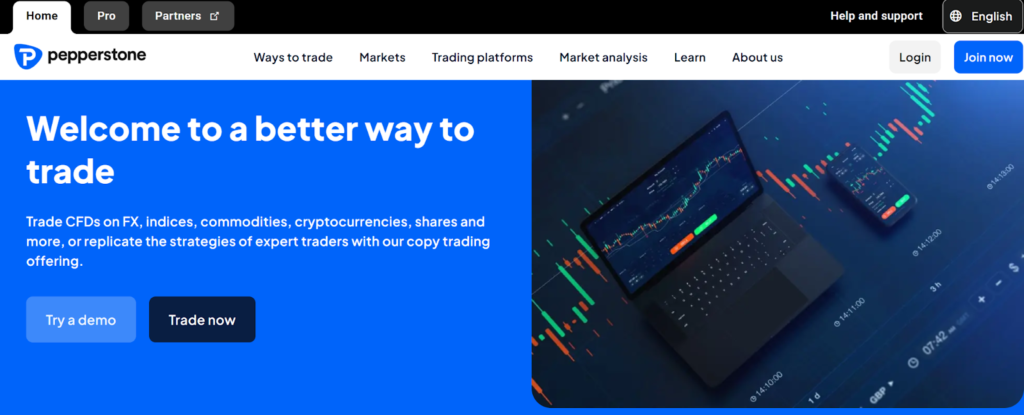
Pepperstone states it is licensed/regulated in multiple jurisdictions, and publicly lists key license details such as ASIC AFSL 414530 and FCA 684312 (entity depends on your region).
Why traders may like it: strong platform choice and widely-known licensing disclosures. Pepperstone also offers account types with spreads as low as zero pips, allowing for cost-efficient trading.
Trading Platforms for Forex Traders
A reliable trading platform is the backbone of successful forex trading. The best forex brokers provide access to a variety of trading platforms, such as MetaTrader 4, MetaTrader 5, and their own proprietary solutions. These platforms are equipped with advanced charting tools, technical indicators, and automated trading features that cater to both beginners and serious traders.
For example, Interactive Brokers offers a robust platform with sophisticated tools designed for professional and high-volume traders. When evaluating trading platforms, consider factors like ease of use, execution speed, and the availability of a mobile app for trading on the go. Opening a demo account is a smart way to test a broker’s platform and explore its features without risking real money. By selecting a platform that aligns with your trading strategy and preferences, you can enhance your trading experience and make more informed decisions in the fast-paced forex market.
Forex Accounts and Account Types
Forex brokers offer a range of account types to suit different trading styles and experience levels. The most common options include standard accounts, raw spread accounts, and demo accounts. Standard accounts typically feature wider spreads with no commission, making them suitable for most retail traders. Raw spread accounts, on the other hand, offer tighter spreads but charge a commission per trade, appealing to high volume traders who prioritize lower trading costs. Demo accounts are invaluable for both new and experienced traders, as they allow you to practice trading with virtual funds and refine your strategies without financial risk.
Some brokers also provide elite trader programs, offering benefits like rebates and reduced spreads for those who trade larger volumes. When choosing a forex account, it’s important to consider factors such as leverage, margin requirements, and the broker’s regulatory status to ensure a secure and transparent trading environment.
What Makes a Regulated Broker Feel “Safer”?
Here are the practical things to look for:
Regulatory frameworks are designed to protect traders from fraud, market manipulation, and financial loss, ensuring a safer trading environment.
Clear legal identity
You should easily find the legal company name and license number (not just a brand name).
Clean website transparency
Fees, spreads/commissions, withdrawal rules, and risk warnings should be easy to find. Transparent pricing is a regulatory requirement and helps ensure fair trading conditions for all clients.
Strong account security & verification
Brokers that take identity checks seriously often run more professional operations overall.
Realistic promises
Be careful with brokers that promise “guaranteed profit,” “zero risk,” or push you aggressively to deposit fast.
Common Mistakes Traders Make
Mistake 1: Trusting a logo instead of a license numberAnyone can paste a regulator logo on a website. Always check the license number.
Mistake 2: Not checking the entity you actually registered underA broker can be regulated somewhere, but your account might be under a different company. Read the signup terms.
Mistake 3: Choosing only by bonus/spreadA tighter spread is great—but it should never come before trust, clarity, and proper disclosures.
Before choosing a broker from any regulated forex brokers list, always consult forex broker reviews to assess the broker’s reputation and reliability.
A Simple “Safe Trading” Checklist (Before You Deposit)
- License number shown on the broker website
- Same details appear on official regulator register (where available)
- Deposit/withdrawal rules are clearly written
- You understand leverage and margin rules
- You have assessed your risk tolerance and understand how much risk you are willing to take before trading.
- You start small and test withdrawals early
Conclusion and Final Thoughts
To sum up, selecting regulated forex brokers, reliable trading platforms, and suitable account types is crucial for success in the forex market. Traders should always prioritize brokers with strong regulatory compliance, competitive trading costs, and high-quality platforms. Utilizing a demo account is an excellent way to test a broker’s services and develop your trading skills before committing real funds. The forex market is a highly liquid and volatile financial market, so it’s essential to stay informed, adapt your trading strategy, and practice sound risk management.
By choosing reputable and transparent forex brokers, traders can protect themselves from fraud and focus on reaching their trading objectives. Remember, continuous learning, discipline, and a well-thought-out trading strategy are key to thriving in the dynamic world of forex trading.
FAQs
1) What is a regulated forex broker?
A regulated forex broker is a broker that has a license from a financial authority and follows its rules.
2) Does regulated mean I cannot lose money?
No. Trading can still cause losses. Regulation mainly improves accountability and basic standards.
3) How can I check if a broker is really regulated?
Find the broker’s license number on its website and match it with the regulator’s official register (if available).
4) Are offshore-regulated brokers always bad?
Not always. Some traders still choose them, but it’s important to read terms carefully and verify all legal details.
5) What is one safe step every beginner should do first?
Open a demo or small account, test the platform, and try a small withdrawal before depositing more